

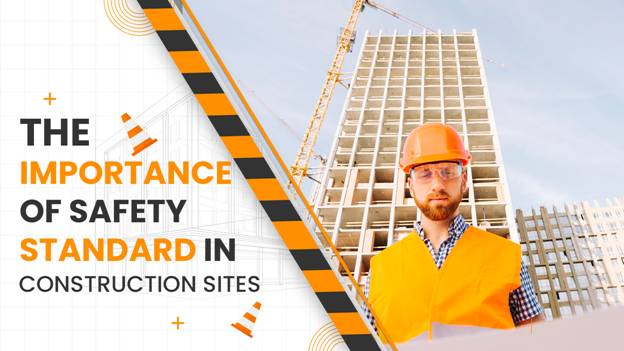
Safety management in construction is important to protect workers and ensure the continuity and efficiency of a project. This blog explores the critical facets of safety in the construction industry, underscoring the importance of rigorous safety standards and effective risk management strategies.
1. The Need for Safety Management
Construction sites are inherently dangerous places, with numerous potential hazards ranging from falls and electrocution to machinery accidents and exposure to harmful substances. Effective safety management is essential to mitigate these risks, protect workers’ health, and comply with legal standards. Safety management involves the systematic identification, evaluation, and control of construction site hazards, requiring continuous oversight and adaptation to new challenges as projects progress.
2. Importance of Safety in the Construction Industry
The construction industry is one of the most hazardous industries worldwide, making safety an essential concern. Safety measures prevent accidents and significantly reduce the economic burden associated with workplace injuries and fatalities. These measures include training workers, using proper safety equipment, and adhering to safety protocols, which can lead to improved productivity and reduced insurance and compensation costs.
3. Risk Management for Safety in Construction
Risk management in construction entails a proactive approach to identifying, assessing, and mitigating risks. By implementing a robust risk management framework, construction managers can anticipate potential safety issues and put preventive measures in place before any harm occurs. Key components of this framework include risk assessment, safety planning, continuous monitoring, and the integration of safety reviews into every phase of the project.
4. What Does the HSE Say?
The Health and Safety Executive (HSE) in the UK has been instrumental in shaping safety regulations in the construction industry. Over the past three decades, several regulations have been introduced to enhance safety standards on construction sites:
The Construction Design & Management Regulations 1994: These regulations introduced roles and responsibilities for managing health, safety, and welfare when carrying out construction projects.
Construction (Health, Safety and Welfare) Regulations 1996: This set of regulations provided a broad framework for controlling a wide range of health, safety, and welfare issues in construction work.
The Working at Height Regulations 2005: Introduced to prevent death and injury caused by a fall from height, these regulations enforce the necessity of proper planning and risk assessment.
The Construction Design & Management Regulations 2007 & 2015: These updates further refined the processes and requirements for planning, managing, and monitoring construction work to ensure safety at all stages.
L144 – Construction Management (ACOP) and L153 – Construction Management (Guidance): These documents provide practical advice and guidance on compliance with the regulations, helping to implement effective safety management systems.
Conclusion
The evolution of safety regulations by the HSE highlights the growing recognition of the critical importance of safety in the construction industry. By adhering to these standards, construction companies can not only comply with legal requirements but also foster a safety culture that promotes worker well-being and project efficiency. As the industry continues to evolve with new technologies and methods, the focus on safety remains a top priority, essential for the sustainability and success of construction enterprises.